The Turks and Caicos is a tropical paradise renowned worldwide for its striking marine landscapes, powdery white sand beaches, and vivid turquoise waters. Located in the Atlantic Ocean, this archipelago offers an extraordinary array of picture-perfect gems that entice travel photographers and casual tourists alike. From crystal-clear lagoons to rugged limestone cliffs, every corner of the country presents a unique story waiting to be captured.
The unique appeal of picturesque spots in Turks and Caicos lies in its exceptional natural light, diverse coastal geography, and rich environmental palette. Whether you are aiming to take an intimate portrait, aerial drone footage, or classic sunset landscapes, these islands provide a spectacular backdrop. To help you plan your creative journey, this comprehensive guide explores the best photography locations across the islands, along with essential tips to ensure you make the most of your photographic adventure.

Providenciales, locally known as Provo, is the commercial hub and main tourist destination of Turks and Caicos. It is home to some of the most accessible and celebrated coastal landscapes in the region, offering a diverse array of scenery within a short drive.
Grace Bay Beach is frequently ranked among the best beaches in the world, and it is easy to see why. Spanning several miles along the northern coast of Providenciales, this iconic strip features fine white sand set against deep, jewel-toned waters. For photography, Grace Bay provides endless opportunities to shoot serene morning seascapes, colourful beach umbrellas, and dramatic ocean sunsets. The absence of heavy wave action creates a calm water surface that reflects the gentle ambient light of early morning and late afternoon.
Located on the southeastern coast of Providenciales, Long Bay Beach is famous for its steady trade winds and shallow water, making it a hub for kite-surfers. The vibrant, colourful kites against the open sky provide energetic action subjects for photographers. Additionally, positioned roughly three miles off the shore of Long Bay rests the La Famille Express, an abandoned freighter shipwreck that was stranded during Hurricane Frances in 2004. The rusting structure provides a captivating, nautical subject for telephoto and drone shots.
Situated along the southern coast of Providenciales, Taylor Bay Beach and Sapodilla Bay offer a completely different visual aesthetic. These sheltered coves feature exceptionally shallow water that stretches far out into the sea. At low tide, the receding water reveals pristine sand ripples and shallow pools that create perfect mirror-like reflections of the sky above. These locations are particularly famous for their golden hour light, offering warm, glowing tones that make them ideal for landscape and portrait photography.
Chalk Sound National Park is a breathtaking natural lagoon located on the southwestern side of Providenciales. The lagoon is renowned for its intense, pastel-turquoise water, which is dotted with hundreds of small limestone cays inhabited by rock iguanas. Viewed from elevated points along the coast or captured from above with a drone, Chalk Sound presents one of the most vibrant picturesque spots in Turks and Caicos. The brilliant blue hues of the water contrast strikingly with the dark vegetation on the cays.

While Providenciales holds many famous sights, travelling to the outer islands reveals pristine landscapes that remain largely untouched by commercial development.
Grand Turk serves as the historic and political capital of the islands. Cockburn Town, the main settlement, is filled with colourful Bermudian-style colonial architecture, rustic wooden buildings, and narrow lanes shaded by bougainvillaea. At the northern tip of the island stands the Grand Turk Lighthouse, a historic iron structure built in 1852 that overlooks dramatic ocean bluffs. Grand Turk offers a unique mix of historical storytelling and coastal scenery.
North Caicos boasts lush green vegetation, tropical fruit farms, and tranquil, secluded beaches. One of the island's premier natural attractions for photographers is the Flamingo Pond Overlook. Here, large colonies of West Indian flamingos can often be spotted feeding in the shallow brackish waters, creating brilliant pops of pink against the surrounding greenery and water.
For photographers seeking drama and rugged terrain, Mudjin Harbour on the nearby island of Middle Caicos is a necessity. Characterised by steep limestone cliffs, carved sea caves, and open ocean swells, this area offers a stark contrast to the quiet beaches of Providenciales. The highlight of Mudjin Harbour is Dragon Cay, a striking rock formation connected to the mainland by a narrow sandbar. Capturing the white ocean surf crashing against the dark stone cliffs yields powerful, dynamic landscape imagery.
Known as the historic fishing capital of the country, South Caicos is rich in authentic charm and natural character. Photographers will find historic salt salinas that reflect the sky in geometric shapes, wild donkeys roaming the arid countryside, and unspoiled coral bluffs overlooking the Atlantic Ocean. The quiet harbours and working fishing boats offer excellent opportunities for environmental portraits and documentary-style travel photography.

Capturing exceptional photographs in a tropical environment requires careful preparation and an understanding of local conditions. Here are essential tips to help you maximise your photographic results.
Lighting is the most critical factor when photographing tropical ocean environments. Understanding how sunlight interacts with the sea will greatly enhance your images. During the golden hour, which occurs shortly after sunrise and just before sunset, the warm, directional light soft-focuses the landscape and creates rich, atmospheric shadows. This is the prime time for capturing coastal silhouettes, warm beach sand, and moody skies.
Conversely, if your goal is to highlight the intense turquoise colour of the ocean, midday sun is actually your best friend. When the sun is high in the sky between eleven in the morning and two in the afternoon, light penetrates deep into the clear water, reflecting off the white sandy sea floor and producing the vivid, saturated blues for which the region is famous.
To protect your equipment and improve image quality in coastal environments, consider the following technical suggestions. Always use a circular polarising filter on your lenses to eliminate harsh glare from the water surface, heighten contrast, and deepen the blue tones of the sky and ocean.
Tropical environments pose hazards to electronics. Salt spray, fine sand, and humidity can easily damage sensitive equipment. Carry dedicated lens cleaning cloths, dry bags, and silica gel packets to keep your camera gear dry and free from dust and moisture.
For drone operators, always review current local aviation regulations before flying. Maintaining visual contact with your aircraft, respecting private property, and staying clear of airport paths will ensure a safe and enjoyable flight while capturing sweeping aerial perspectives.
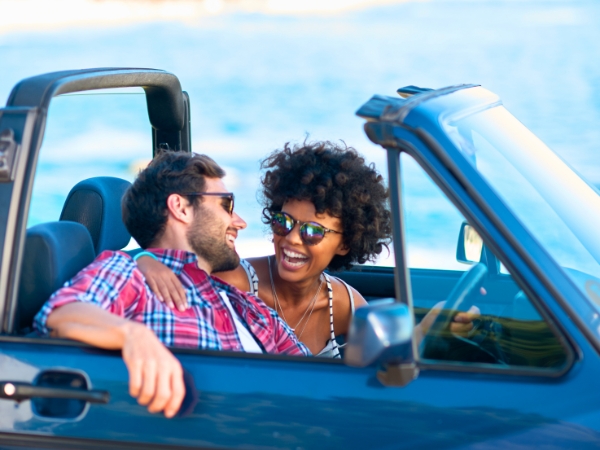
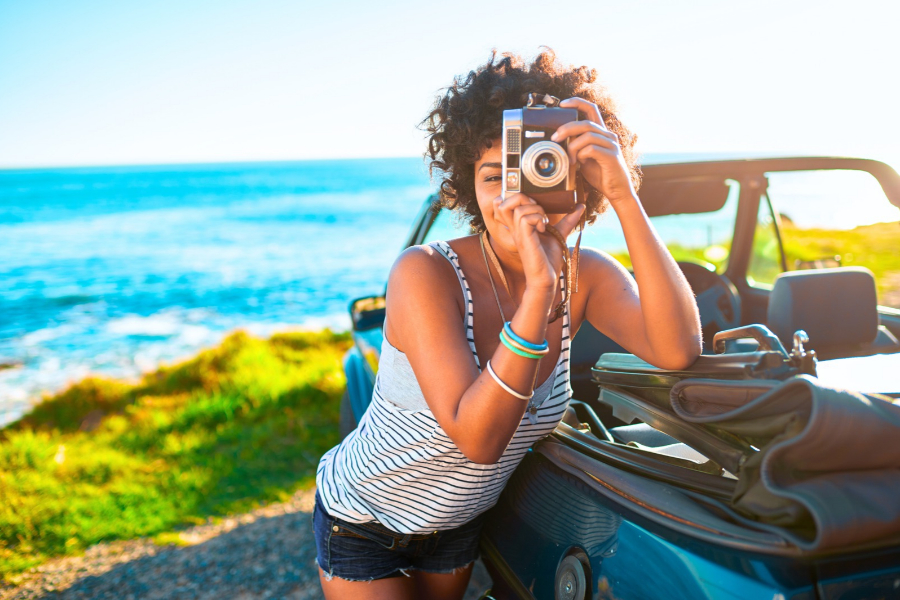
To truly explore the diverse coastal landscapes and picturesque spots in Turks and Caicos, renting a vehicle is highly recommended. Many of the most breathtaking beaches and viewpoints, such as Taylor Bay or the remote trails of Middle Caicos, are far removed from the main resort corridors and public transport routes. Having your own rental vehicle gives you total independence to chase the best light, carry heavy equipment safely, and reach remote locations before the crowds arrive. Furthermore, it allows you to easily hop between different coastlines on Providenciales to catch both eastern sunrises and western sunsets in a single day.

Is it easy for tourists to drive in Turks and Caicos? Driving in Turks and Caicos is relatively straightforward, though motorists must remember to drive on the left-hand side of the road. Traffic flow is managed primarily through roundabouts rather than traffic signals, requiring drivers to yield to oncoming vehicles from the right.
Do I need a 4x4 car to reach the best photo spots? A standard compact car is sufficient for reaching the main beaches and paved coastal lookouts across Providenciales. However, renting an SUV or 4x4 vehicle is recommended if you plan to navigate unpaved access tracks or explore remote parts of other islands.
What is the best time of day to photograph the ocean? The ocean displays its most intense, brilliant turquoise colour when the sun is directly overhead, typically between 11:00 AM and 2:00 PM. High midday sunlight illuminates the shallow sandbars beneath the sea without creating heavy surface shadows.
How can I take photos of the ocean without sun glare? Attaching a circular polarising filter to your camera lens is the most effective way to cut through reflection on the water's surface. This simple technique deepens sky blues, reduces haze, and highlights the clear underwater details along the coastline.
Is recreational drone photography permitted on the island? Recreational drone photography is permitted in Turks and Caicos, provided you follow local civil aviation rules. Pilots must maintain a direct line of sight with their aircraft and avoid flying near airfields, private resorts, or protected wildlife zones.
Is it safe to leave photography equipment in my rental car? While the islands maintain a low rate of serious crime, you should never leave expensive camera gear or personal valuables visible inside a parked vehicle. Always lock your camera gear securely inside the boot or take your items with you when visiting beaches.
Turks and Caicos is a paradise for photography, offering an extraordinary variety of coastal scenes, historic landmarks, and vivid tropical colours. From the world-famous shores of Grace Bay to the dramatic cliffs of Mudjin Harbour, discovering these picturesque spots in Turks and Caicos will leave you with incredible photographs and lasting memories.
To experience the full beauty of the islands at your own pace, freedom of movement is essential. Renting a car gives you the flexibility to chase the perfect light, discover hidden beaches, and explore remote coastal viewpoints on your own terms. Book your rental vehicle today, pack your camera gear, and get ready to capture the breathtaking landscapes of Turks and Caicos.